
Canada Opens Trade Corridor for Chinese EVs — What It Means for Cross-Border Entity Structuring
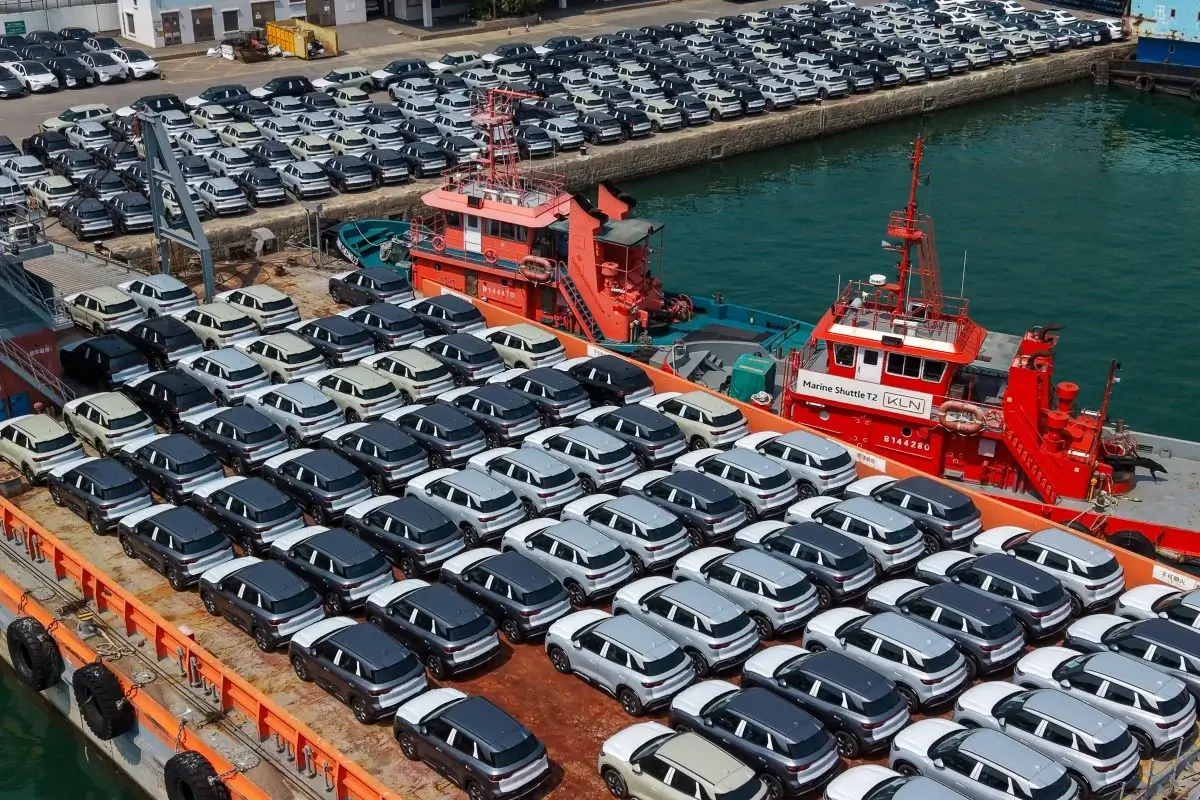
Canada agreed to allow 49,000 Chinese EV imports annually at a 6.1% tariff rate during Prime Minister Mark Carney’s visit to Beijing earlier this year. Dealers are already seeing the impact — one Ontario showroom sold 40 off-lease Polestar 2s quickly and expects more in October.
The South China Morning Post reports that potential Canadian buyers are now gauging how long it will take the policy to become a reality, with much depending on Canada’s tightly-controlled import licensing system.
For businesses, this is more than an EV story. Where there’s a trade corridor, there’s a need for trade finance, logistics coordination, and regulatory compliance. Companies that can manage these functions efficiently will capture value. The question is where to base those functions.
Hong Kong has been the platform where China-facing and North America-facing businesses meet for decades — handling payments, documentation, and cross-border structuring. For Canadian businesses looking at Chinese supply chains, or Chinese companies looking at North American markets, HK is the natural intermediary.
This is the kind of shift that makes companies reconsider their regional entity structures. If you’re moving goods between China and Canada, where you register your trading entity affects everything from tax treatment to tariff exposure to banking relationships.